The Ultimate Guide to Low Histamine Diets for a Healthier Lifestyle
Key Takeaways
- Comprehending histamine and its sensitivity issues
- The principle behind a restricted histamine eating plan
- Foods that are low in histamine
- Foods with high histamine content to steer clear of
- Controlling histamine quantities in the body
- Developing a meal strategy focused on low histamine options
Understanding Histamine and Histamine Intolerance
Histamine is a naturally occurring compound involved in various physiological processes, including immune responses and digestion. Histamine intolerance arises when the body struggles to metabolise histamine effectively, leading to an excess that overwhelms histamine receptors. Individuals who are histamine intolerant may experience a range of symptoms upon consuming foods high in histamines or histamine liberators. A Low Histamine Diet becomes crucial in managing these symptoms, allowing for a balanced intake while avoiding triggers. Antihistamine medication can provide temporary relief, but a more sustainable approach involves understanding dietetics and clinical nutrition to reduce histamine levels through food choices. Embracing a healthy diet focused on low histamine foods can significantly improve the well-being of those affected by this condition.
What is Histamine?
Histamine is a naturally occurring compound in the body, primarily involved in local immune responses and regulating physiological functions. It is derived from the amino acid histidine and can be found in various foods, acting as a neurotransmitter. For individuals following a Low Histamine Diet, dietary recommendations often involve avoiding histamine-liberators, substances that can trigger histamine release in the body. Collaborating with a nutritionist or dietitian can help individuals navigate these dietary choices effectively.
The role of histamine extends beyond immediate immune responses, influencing digestion and the functioning of the small intestine. An elimination diet may be recommended for those with histamine intolerance, allowing them to identify specific triggers and manage symptoms. Adhering to a balanced diet is essential, even within the confines of a Low Histamine Diet, to ensure adequate nutrition. Resources like the Academy of Nutrition and Dietetics provide valuable guidance for making informed dietary decisions.
Causes of Histamine Intolerance
Histamine intolerance often arises from a combination of factors that disrupt the body's ability to metabolise histamine. Individuals may experience issues due to nutritional deficiencies that impair their digestive system's function. Various gastrointestinal medications can also interfere with histamine metabolism, exacerbating symptoms. Those following specific diets, such as low-FODMAP diets or elimination diets, may find themselves encountering histamine intolerance if their food choices lack adequate nutritional balance. Registered dietitian nutritionists can help identify these deficiencies and create a tailored Low Histamine Diet.
The body's metabolism plays a crucial role in managing histamine levels, and any disruption can lead to intolerance. Some individuals may have a genetic predisposition affecting their ability to break down histamine efficiently. This can lead to an accumulation of histamine in the body, causing a range of symptoms. Consulting with registered dietitians can provide valuable insights into dietary changes necessary for managing symptoms. By following a Low Histamine Diet, individuals may alleviate discomfort and improve their overall well-being.
- Poor gut health can hinder effective histamine breakdown.
- Age-related changes in metabolism can increase susceptibility to histamine intolerance.
- Chronic stress may impact histamine levels and digestive function.
- Overconsumption of high-histamine foods can contribute to the condition.
- Certain medical conditions, such as mast cell activation syndrome, may predispose individuals to histamine intolerance.
- High alcohol intake can disrupt histamine metabolism and exacerbate symptoms.
- Genetic factors may influence the efficiency of enzymes responsible for histamine breakdown.
The Concept of a Low Histamine Diet
A Low Histamine Diet aims to minimise the intake of foods that trigger histamine release or contain high levels of histamine, thereby supporting metabolic activity and overall health. Individuals with food allergies or those experiencing symptoms like nausea and discomfort may find relief by adopting this dietary approach. Healthy foods such as fresh fruits, vegetables, and lean proteins are typically emphasised, while processed items and certain snacks are limited. Supplementation with vitamins might also be beneficial for those struggling with histamine intolerance. It's essential to consult a healthcare professional before making significant dietary changes or relying on prescription medication like ibuprofen, particularly for managing issues related to histamine levels or possible food poisoning. By focussing on nutritional choices, individuals can create a balanced Low Histamine Diet tailored to their specific needs.
What Constitutes a Low Histamine Diet?
A Low Histamine Diet focuses on minimising the intake of foods that are high in dietary histamine. This includes avoiding aged cheeses, fermented products, and certain types of fish. Low-histamine foods encompass fresh meats, certain vegetables, and gluten-free grains. Individuals with lactose intolerance may need to adjust their consumption of dairy products, as many can be high in histamine. Emphasising fresh, whole foods helps in maintaining a low histamine eating approach.
Planning a low-histamine diet also involves being mindful of medications that can influence histamine levels. Certain supplements and over-the-counter medications may exacerbate symptoms of histamine intolerance. It is essential to build meals around low histamine options, paying close attention to how foods are prepared and stored. By following the principles of low histamine diets, individuals can effectively manage their condition and improve their overall well-being.
Potential Benefits of Following a LowHistamine Diet
A Low Histamine Diet can offer numerous advantages for individuals struggling with histamine intolerance. By adhering to a modified histamine diet, people often find relief from symptoms such as headaches, digestive issues, and skin irritations. Reducing food histamine intake helps to maintain low histamine levels in the body, promoting overall wellness. This diet focuses on steering clear of high-histamine foods and ingredients, ultimately leading to an improved quality of life for those affected.
Following a histamine elimination diet encourages mindful eating habits, prompting individuals to pay closer attention to food histamine concentrations. This increased awareness can lead to better food choices and the avoidance of high-histamine foods that exacerbate symptoms. Additionally, lower histamine levels can contribute to enhanced mood and energy levels, making daily activities more manageable for those dealing with histamine intolerance. The commitment to a Low Histamine Diet not only alleviates discomfort but also supports long-term health benefits.
Low Histamine Foods
A Low Histamine Diet focuses on minimising the intake of foods that contribute to high histamine levels in the body. High histamine concentrations can lead to various adverse reactions, which may arise from consuming histamine-containing foods such as aged cheeses, fermented products, and certain processed meats. To maintain a balanced approach, individuals should instead opt for histamine-free foods like fresh fruits, vegetables, and unprocessed meats that are less likely to trigger histamine activity. It is crucial to be aware of high histamine contents in particular food items to avoid potential histamine toxicity, which can exacerbate symptoms related to histamine intolerance. Understanding these factors can empower individuals to make informed dietary choices while adhering to a Low Histamine Diet.
Categories of Low Histamine Foods
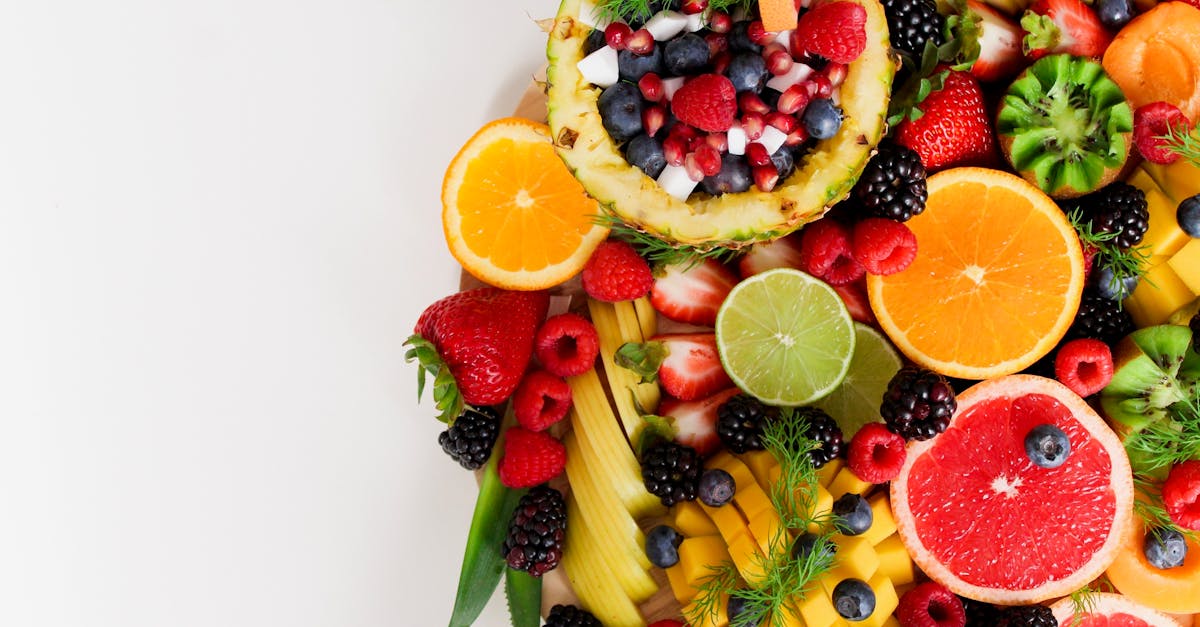
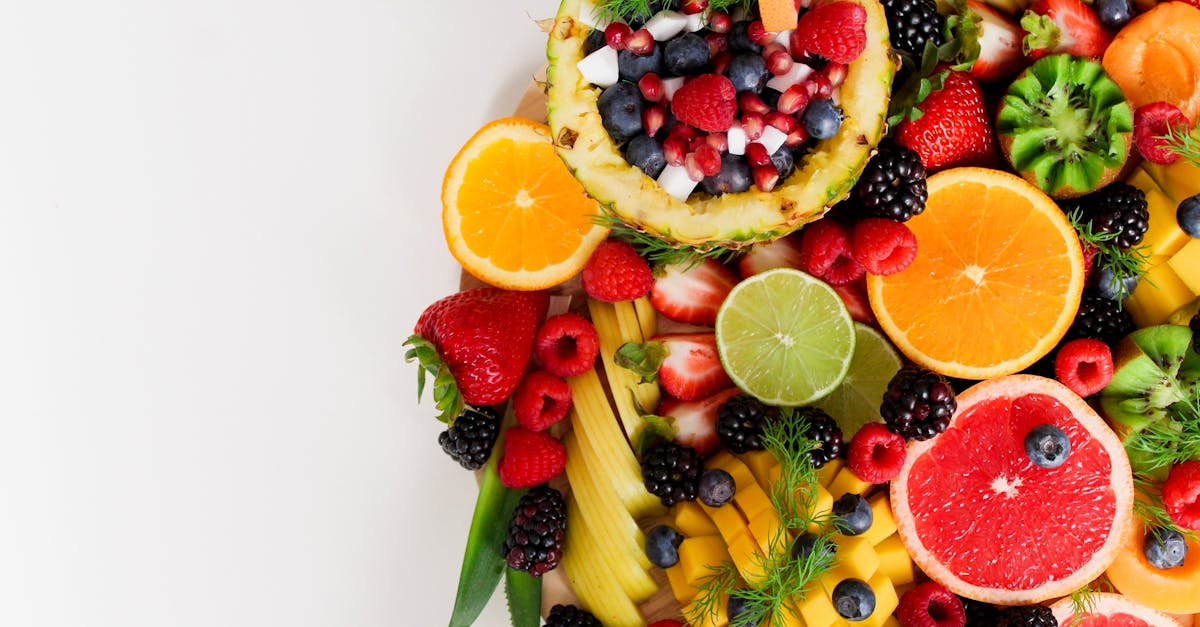
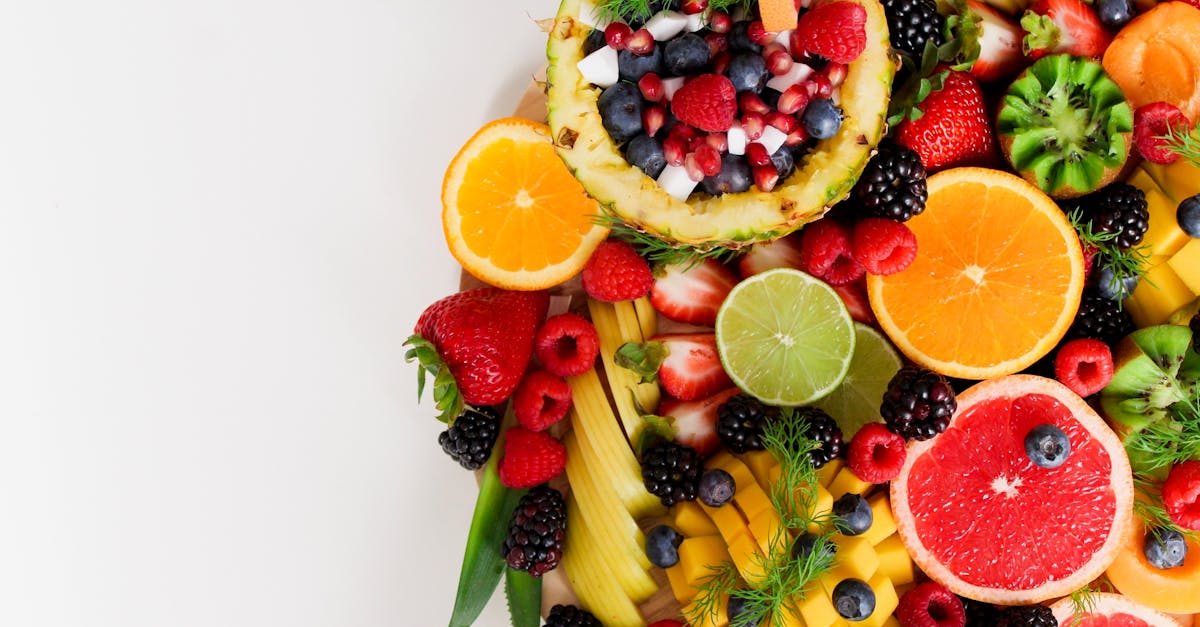
A Low Histamine Diet focuses on foods that help minimise histamine response and prevent histamine accumulation in the body. Fresh fruits and vegetables, such as apples, pears, and leafy greens, typically have low histamine contents and are less likely to trigger significant histamine levels. Low histamine fish, like fresh cod or haddock, also contribute to a balanced diet while minimising systemic histamine concentrations. Choosing foods with reduced histamine content is essential for those looking to manage histamine toxicity effectively.
It is important to be aware that even within categories of low histamine foods, variable histamine levels can occur due to factors such as ripeness and storage conditions. For example, certain cheeses, even if low in histamine, may still have accumulated histamine due to prolonged ageing. Thus, maintaining a strict low histamine diet and being cautious about food selection can greatly influence overall histamine production and exposure. This careful approach aids in preventing adverse reactions related to histamine response and supports overall well-being.
Sample Low Histamine Menu
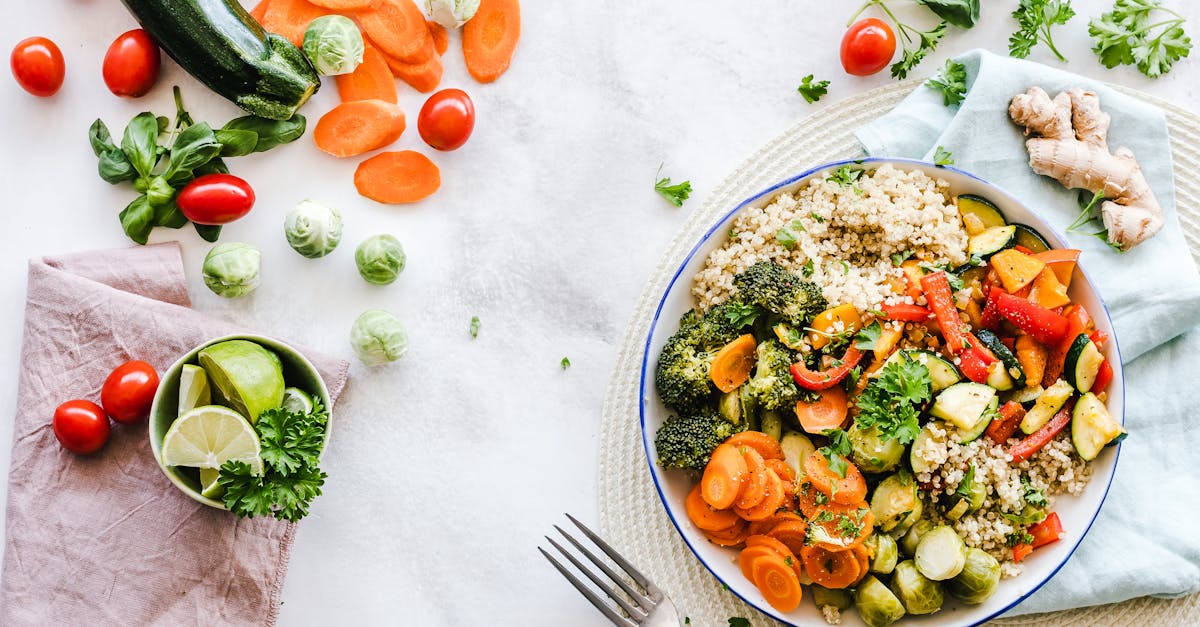
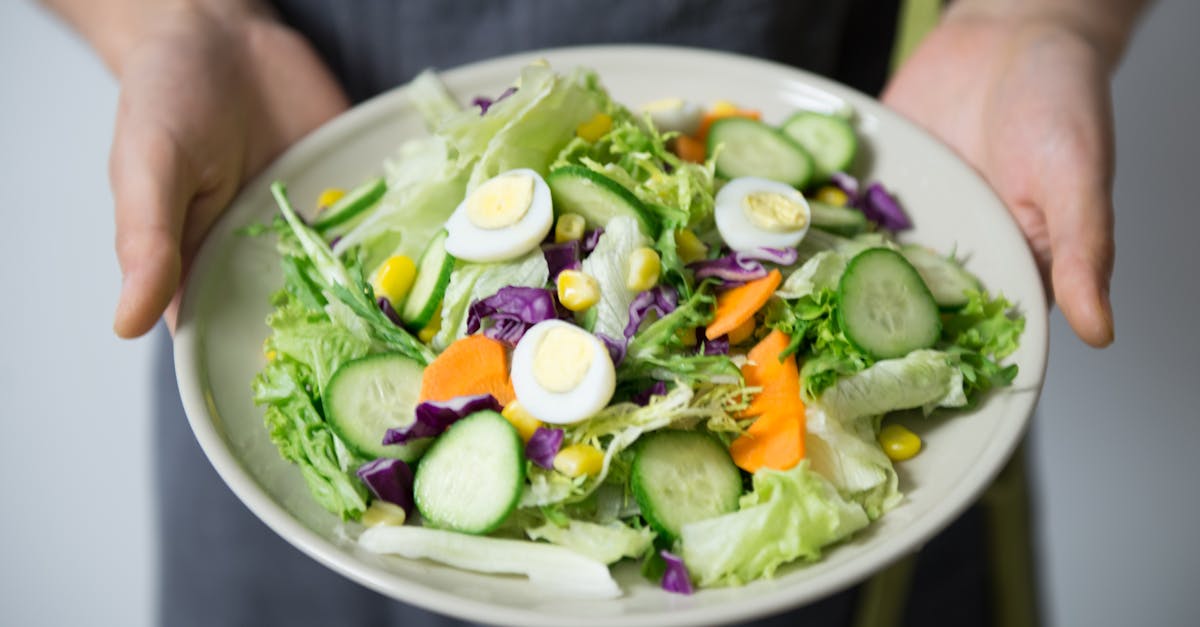
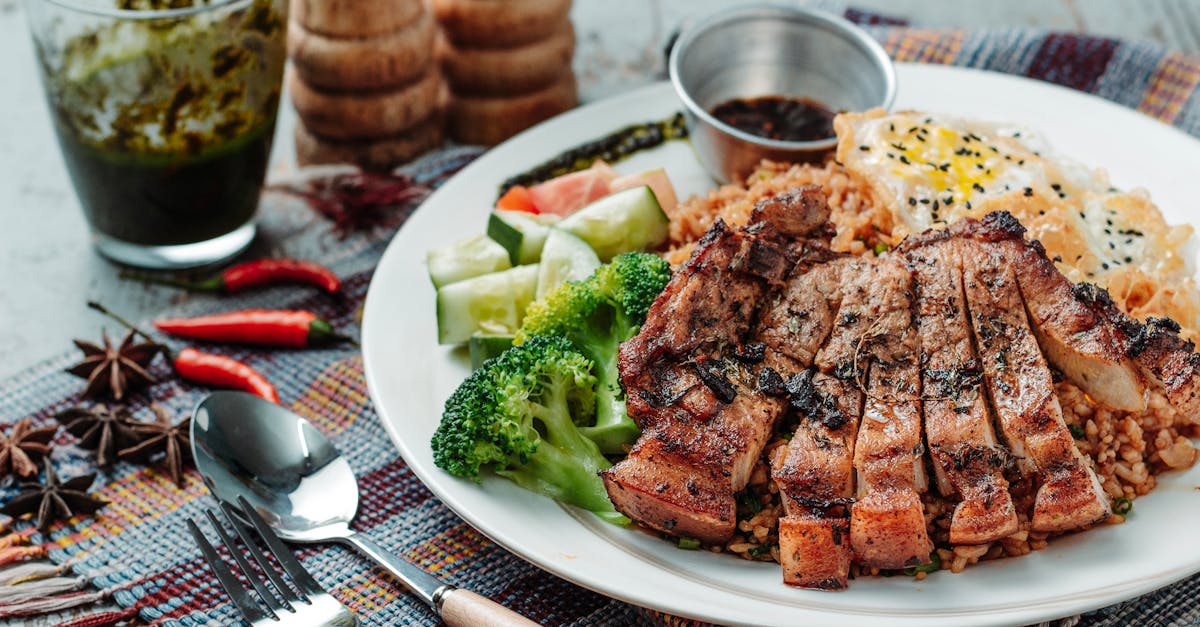
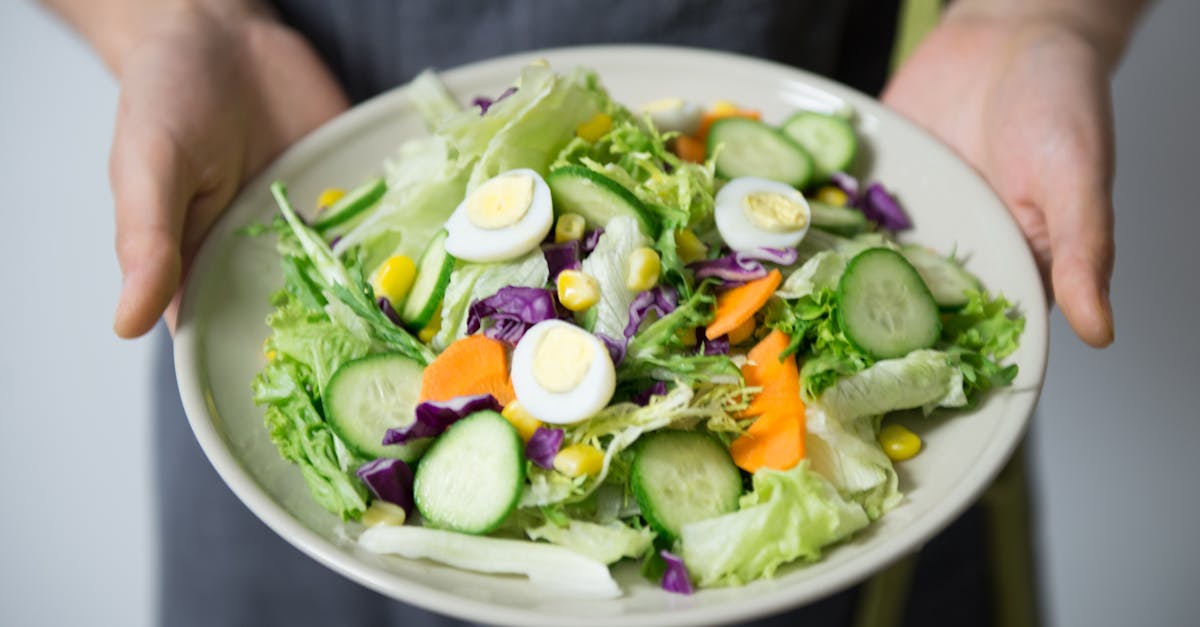
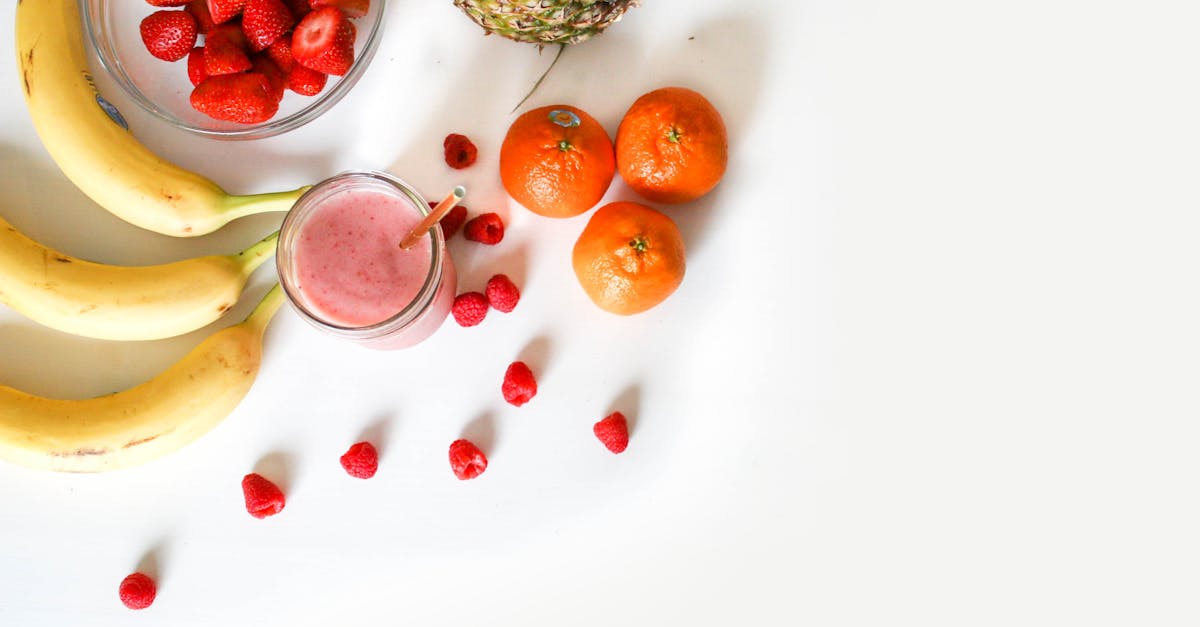
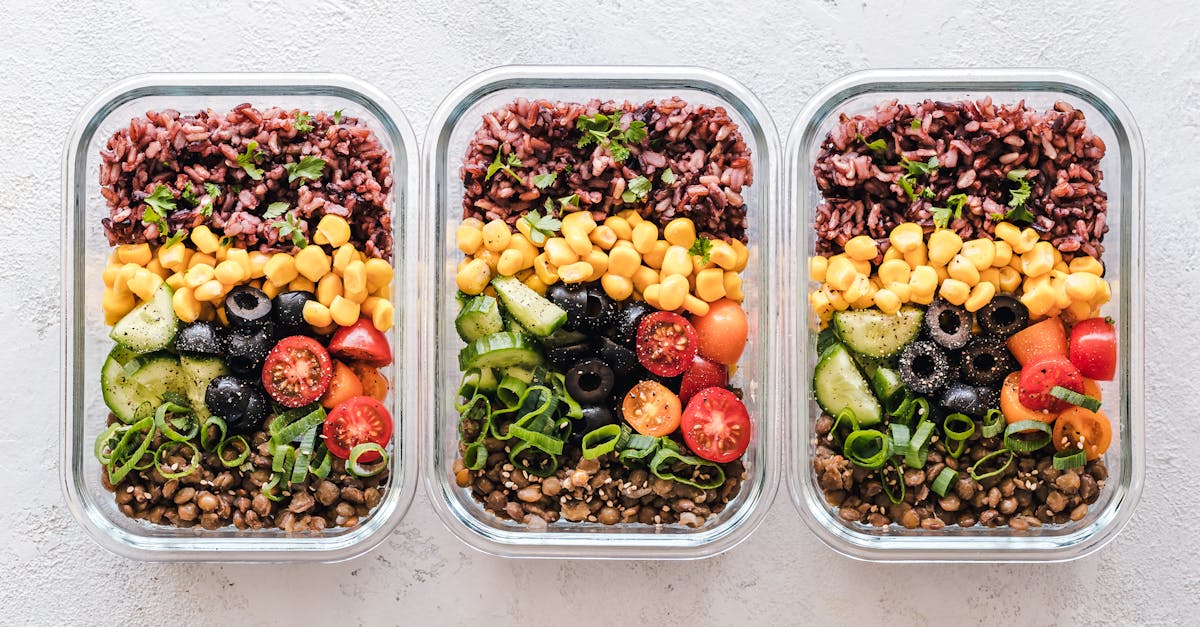
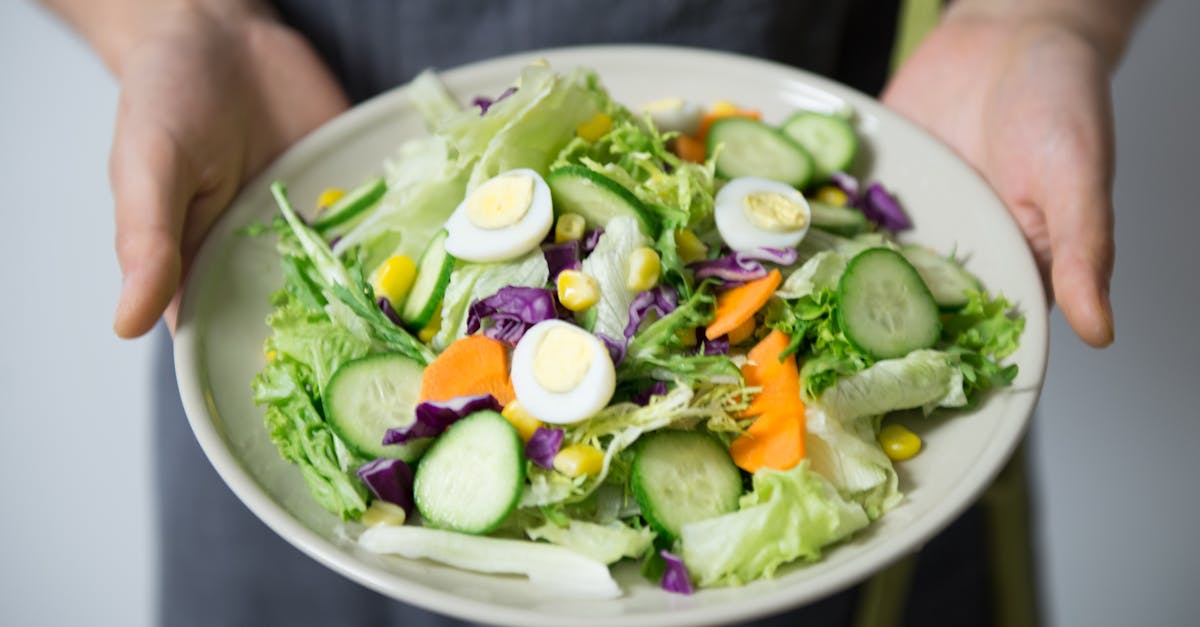
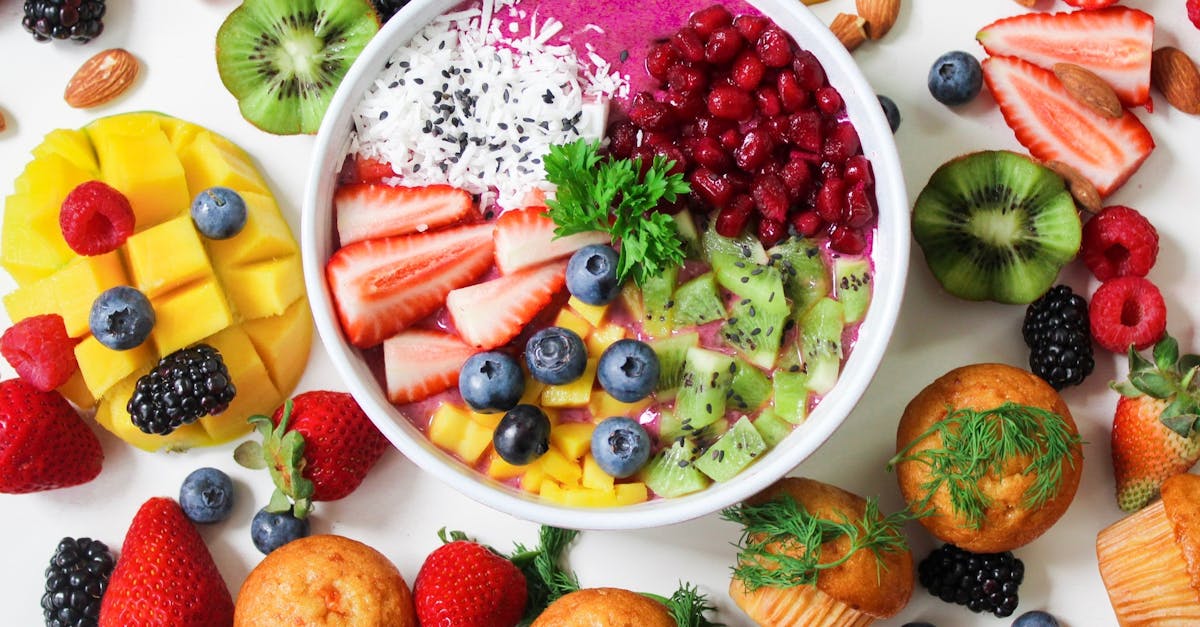
A well-structured menu reflecting a Low Histamine Diet can greatly assist those managing histamine intolerance or sensitivity. Breakfast options may include gluten-free oats with fresh blueberries, which serve as a natural histamine source while remaining low in histamine levels. For lunch, grilled chicken paired with steamed broccoli offers a nourishing meal that supports histamine breakdown without triggering histamine release. Snacks like cucumber slices and carrot sticks provide a crunchy option for those needing to maintain individual histamine tolerance.
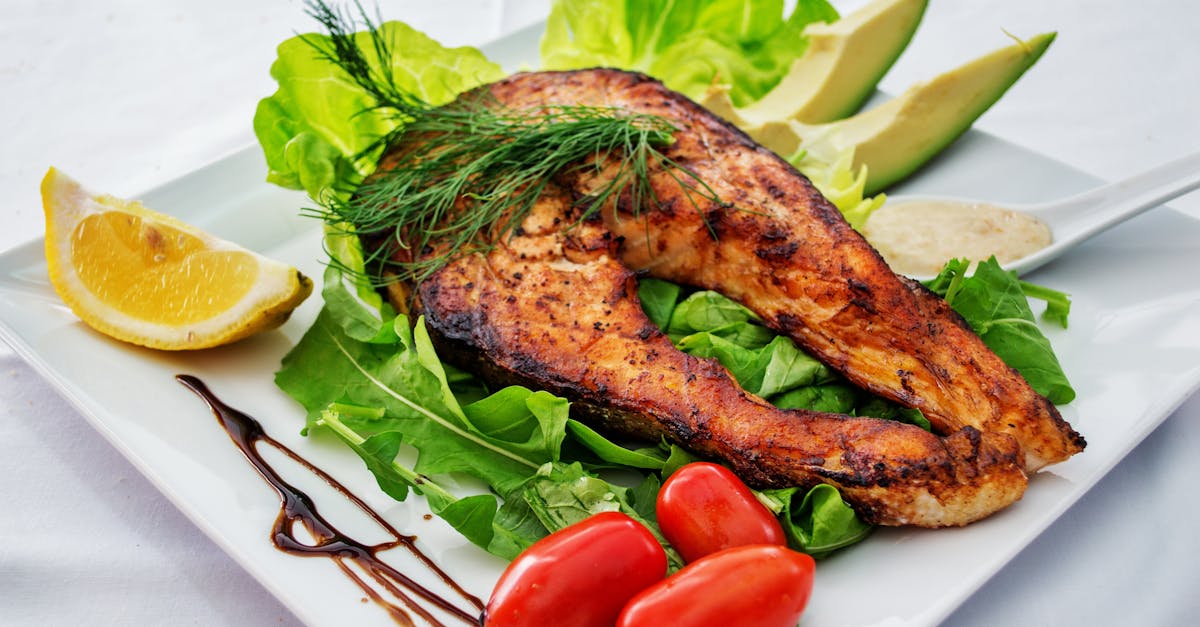
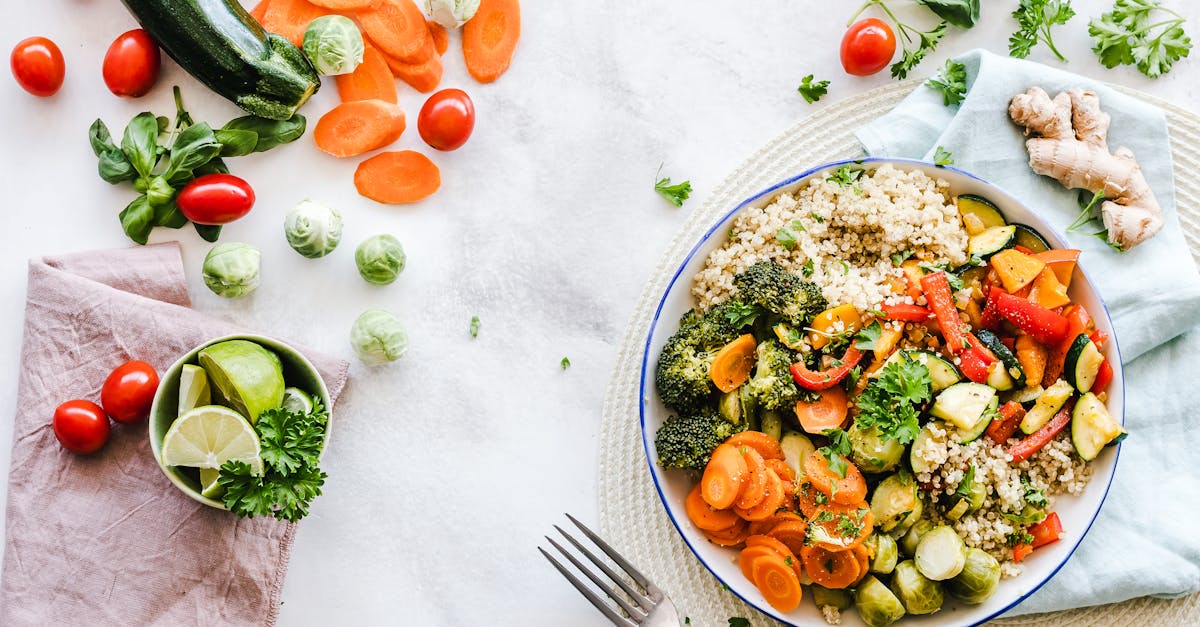
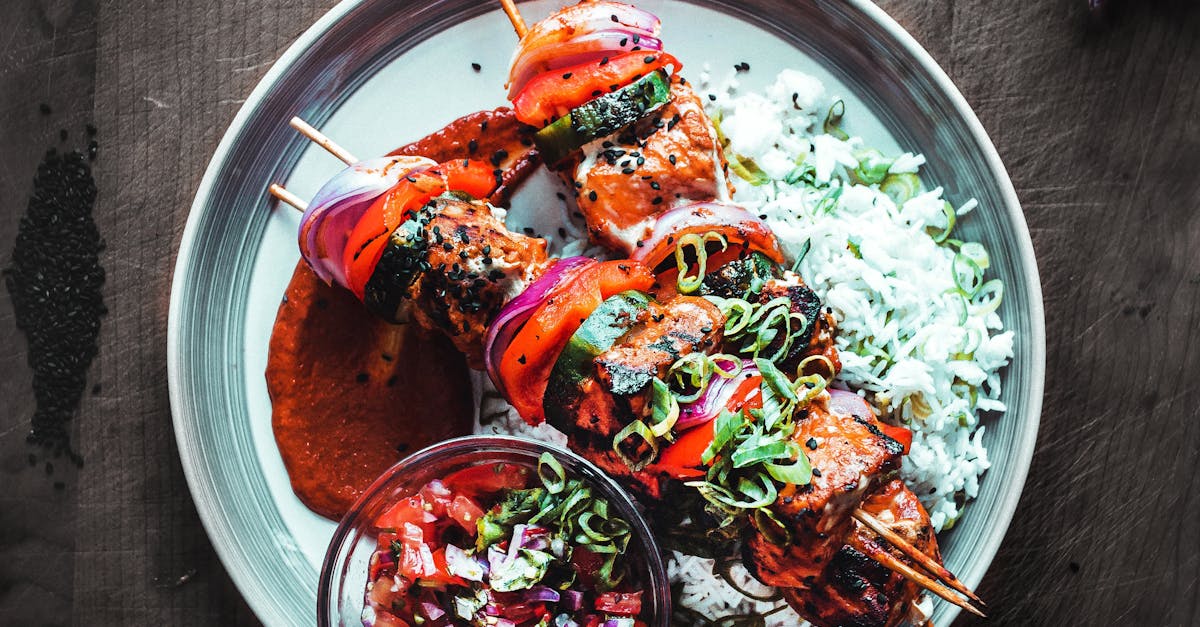
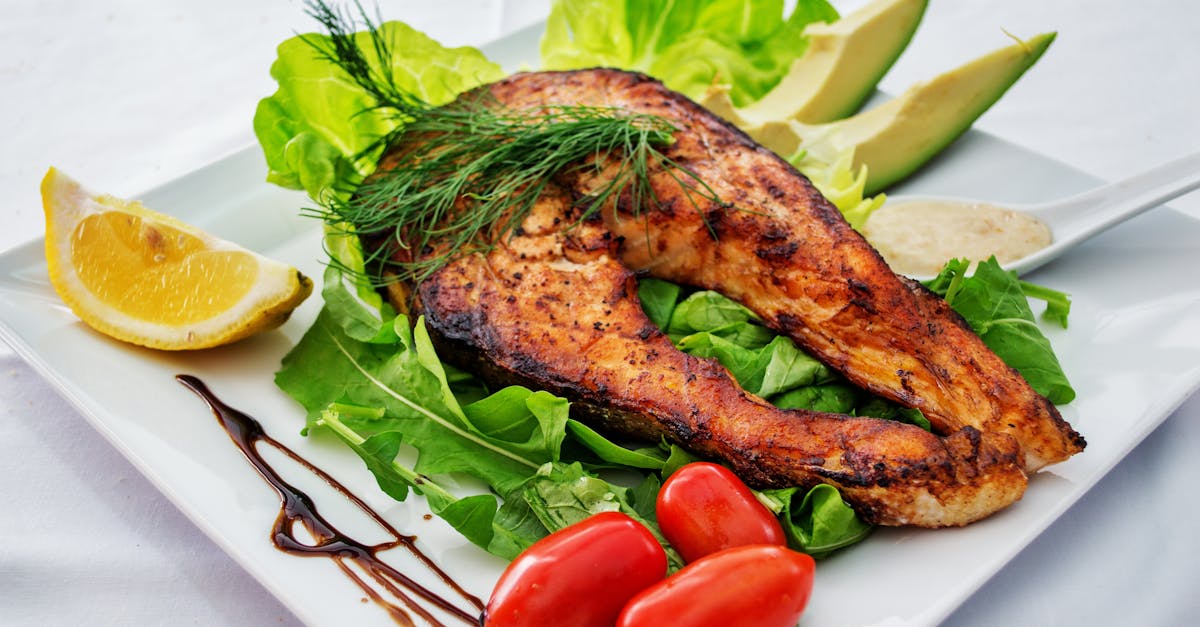
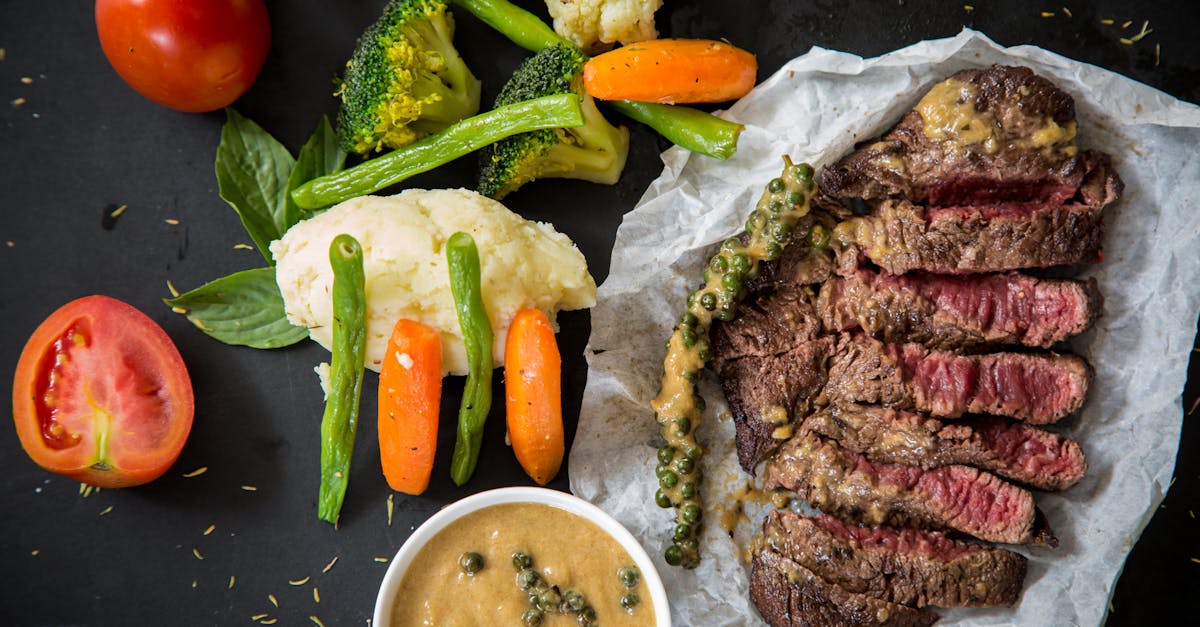
Dinner can feature baked fish, such as cod, with a side of quinoa and roasted zucchini. This combination helps to minimise the consumption of histamine-rich foods while ensuring a satisfying meal. Incorporating a variety of low histamine foods not only aids in histamine elimination but also enhances overall well-being. Understanding how histamine acts within the body allows for better management of histamine levels and compliance with a Low Histamine Diet, leading to a more balanced lifestyle.
- Focus on fresh, unprocessed foods to minimise histamine levels
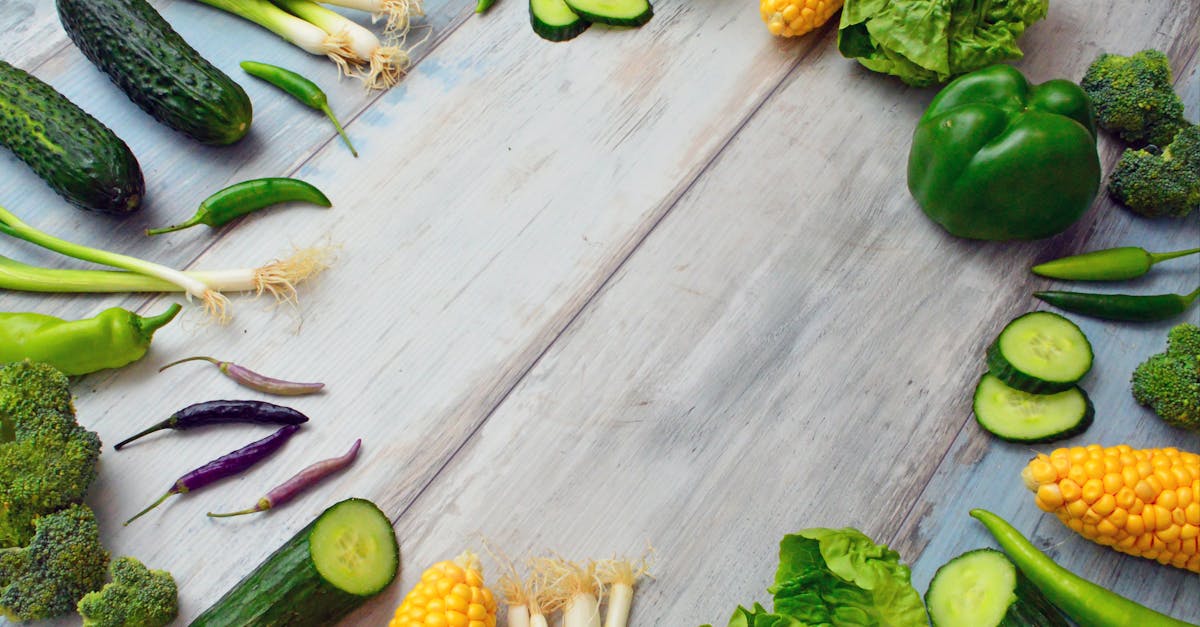
- Incorporate plenty of fruits and vegetables, particularly low histamine options like apples and leafy greens
- Use herbs and spices for flavour instead of high-histamine condiments
- Opt for gluten-free grains like rice and buckwheat to diversify your meals
- Stay hydrated with water and herbal teas that are low in histamine
- Keep a food journal to track individual reactions and identify any triggers
- Consult with a healthcare professional to tailor the diet to your personal needs
High Histamine Foods to Avoid
High-histamine foods can significantly impact those with severe histamine intolerance, as individual reactions vary widely based on personal histamine thresholds. Histamine tolerance varies among individuals, meaning that while some may manage a small amount of histamine-provoking foods, others may experience adverse effects. Foods rich in endogenous histamine can overwhelm the body's ability to process it, especially if intestinal histamine degradation is impaired. For those navigating histamine intolerance treatment, referring to low-histamine cookbooks can provide insights into maintaining a low histamine diet. The likely histamine effects from high-histamine foods emphasise the importance of identifying and avoiding these triggers to foster better health and wellbeing.
Common Sources of High Histamine
High histamine foods are often those that are aged, fermented, or processed. Examples include aged cheeses, cured meats, and fermented products like sauerkraut and soy sauce. These foods have a significant storage impact on histamine levels due to their histamine-releasing capacity. For individuals with histamine intolerance, consuming these items can increase histamine generation and lead to symptoms associated with the condition such as headaches, rashes, and gastrointestinal discomfort. Thus, avoiding these histamine releasers is crucial for managing histamine load and maintaining a Low Histamine Diet.
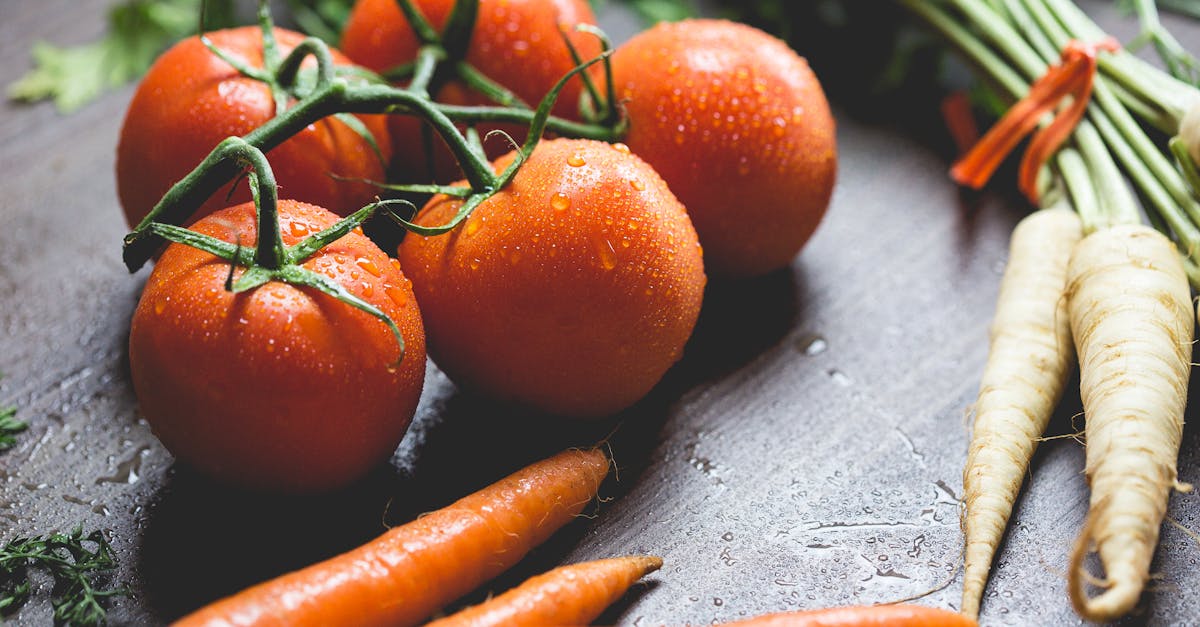
Certain beverages also contribute to elevated histamine levels. Alcoholic drinks, particularly red wine and beers, are notorious for provoking histamine formation and can exacerbate histamine intolerance worse than other food items. Additionally, some fruits and vegetables, such as tomatoes and avocados, possess histamine-releasing properties. Those following a Low Histamine Diet must be vigilant about these common sources to prevent food histaminosis and alleviate symptoms related to histamine intolerance.
| Food Category | Examples | Histamine Level |
|---|---|---|
| Aged Cheeses | Cheddar, Parmesan, Gouda | High |
| Cured Meats | Salami, Pepperoni, Prosciutto | High |
| Fermented Products | Sauerkraut, Soy Sauce, Kimchi | High |
| Alcoholic Beverages | Red Wine, Beer, Champagne | Medium to High |
| High Histamine Fruits | Tomatoes, Avocados, Spinach | Medium |
Impact of High Histamine Foods on Histamine Levels
High histamine foods are recognised for their histaminogenic capacity, contributing significantly to major histamine generation within the body. These foods act as histamine releasers, triggering symptoms associated with histamine intolerance, such as headaches and gastrointestinal issues. Elevated histamine levels can lead to histaminosis, characterised by discomfort and other adverse effects. Incorporating a Low Histamine Diet can help manage these symptoms effectively, allowing individuals to avoid foods that exacerbate their condition.
The body's ability to break down histamine is crucial to maintaining balance. The enzyme histamine-N-methyltransferase plays a key role in this process. Insufficient histamine breakdown can result in histamine-induced contractions and other symptoms of histaminosis. Following a medical diet focused on reducing histamine intake, alongside the use of natural antihistamines, may alleviate symptoms of histamine intolerance. By prioritising a Low Histamine Diet, individuals can better manage their histamine levels and enhance overall well-being.
Managing Histamine Levels
A Low Histamine Diet plays a crucial role in managing histamine levels for individuals dealing with histaminunverträglichkeit, or histamine intolerance. This limited diet focuses on foods low in histamine while avoiding those that can trigger elevated levels. A well-planned approach to dietary management often involves consulting a dietitian or dietitian nutritionists who can assist in creating a personalised menu that meets nutritional needs without exacerbating symptoms. While the diet doesn’t completely eliminate histamine, it aims for a low intake to help alleviate discomfort. Medical antihistamines may also support this process, but a carefully crafted diet remains essential for effective management. Following a Low Histamine Diet requires commitment and understanding, yet it can lead to improved well-being for those affected.
Strategies to Reduce Excess Histamine
Reducing excess histamine often requires careful dietary adjustments. A Low Histamine Diet can serve as an effective dietary intervention for those suffering from histamine intolerance. Implementing a restrictive diet that focuses on fresh, unprocessed foods helps eliminate high histamine sources. A successful elimination diet typically involves identifying and avoiding foods with high free histidine contents. This structured approach can support nutritional intake while establishing a healthy diet plan.
Dietary modifications are crucial for managing histamine levels effectively. Individuals can benefit from monitoring their diets and learning about common high histamine foods to avoid. Each person’s optimal Low Histamine Diet may vary, making it essential to customise strategies according to individual responses. Nutritional therapy can play a vital role in creating balance in one's diet, ensuring adequate nutrition while adhering to dietary restrictions.
The Role of Histamine Toxicity
Histamine toxicity arises when the body accumulates excessive histamines, often due to the consumption of high-histamine foods. A registered nutritionist may suggest a Low Histamine Diet to help manage this condition, tailoring the approach to each person’s individual needs. Many dietitians emphasise the importance of maintaining low levels of tyramine alongside histamines, which can complicate dietary choices. Therefore, crafting a diet unique to the individual's tolerance and preferences is crucial for achieving adequate nutrition while minimising symptoms.
Nutritional counselling can be instrumental in understanding the interplay between histamine levels and overall health. Popular diets that overlook the role of histamines may not provide complete nutrition advice for those sensitive to these compounds. A nutrition professional can guide a person through their dietary options, ensuring they eat a balanced diet while adhering to a Low Histamine Diet. This focus not only addresses histamine toxicity but also aims to improve the person’s quality of life through careful food selections.
Creating a Low Histamine Meal Plan
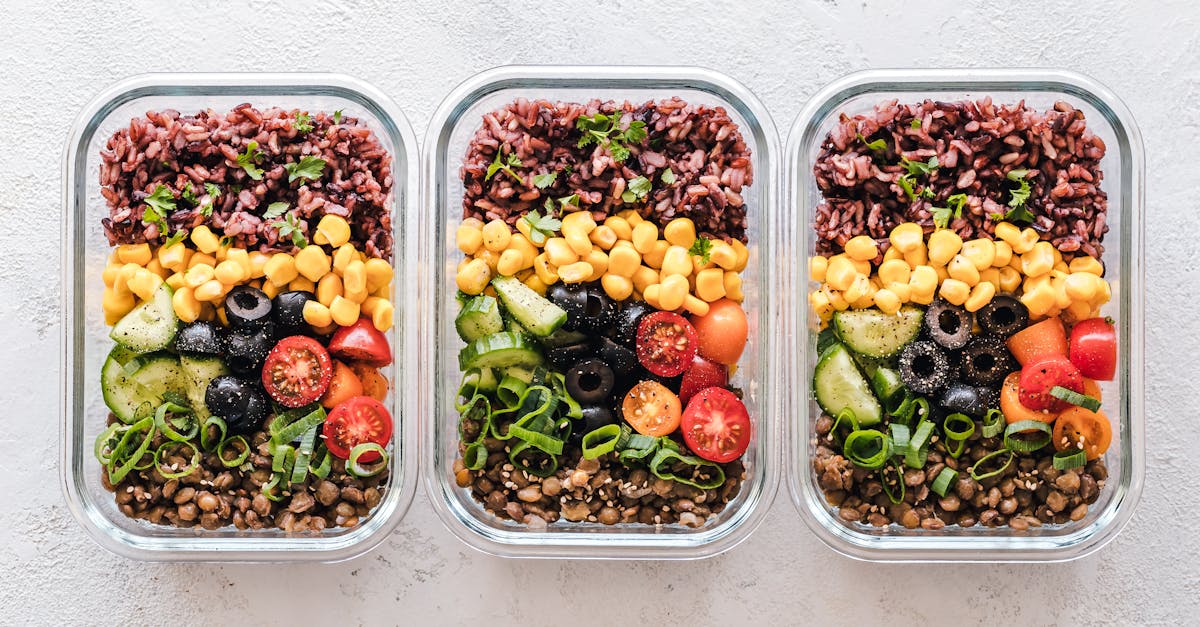
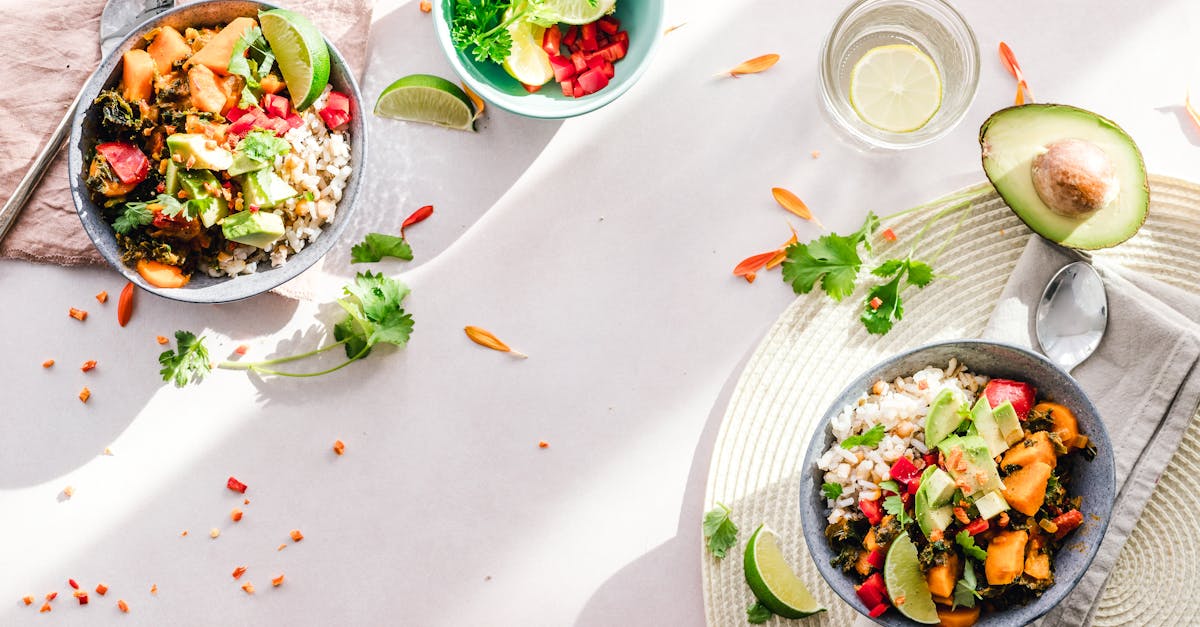
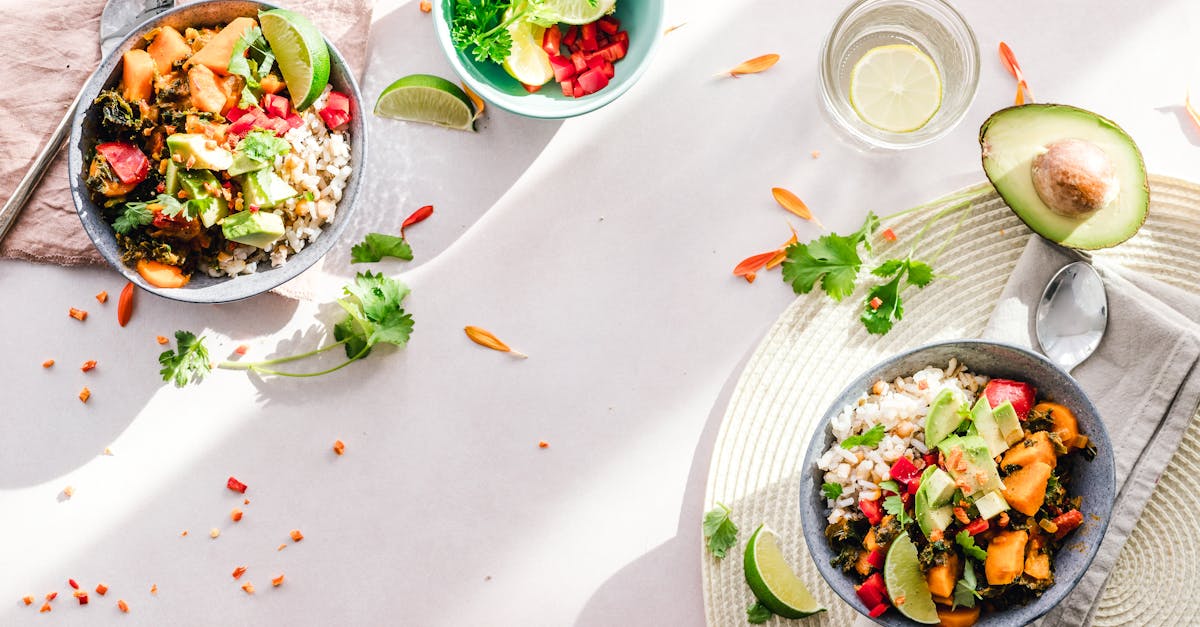
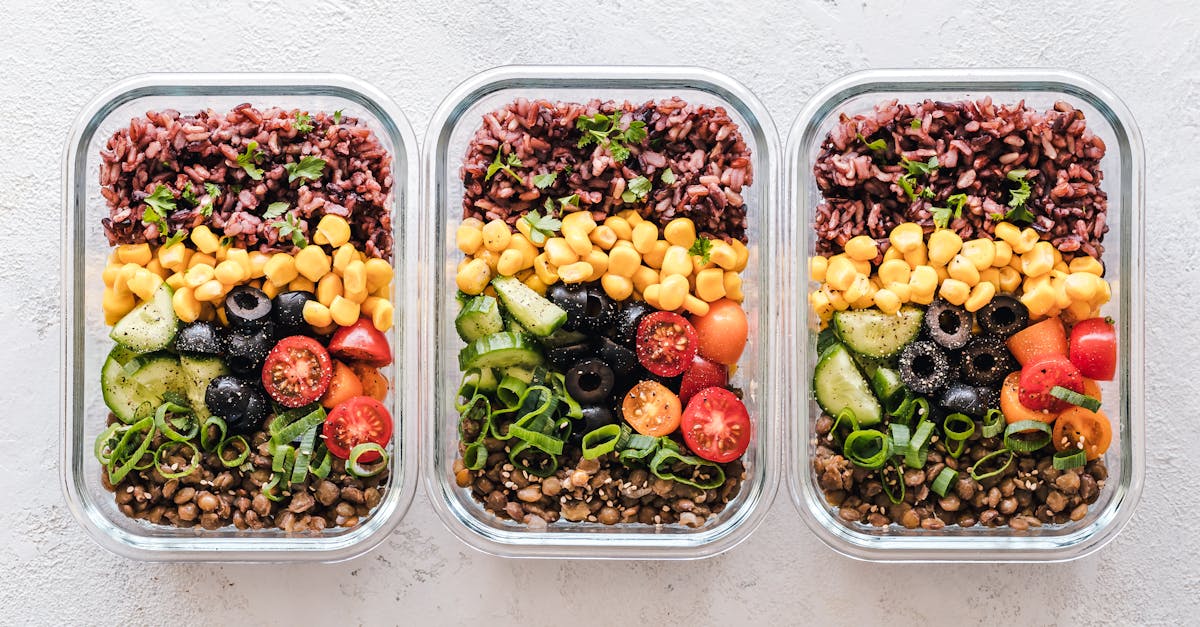
A well-structured meal plan for those on a Low Histamine Diet can significantly enhance dietary freedom while addressing individual needs. Consulting a certified dietician can help tailor a plan that considers personal preferences and intolerances, ensuring it is nutritionally balanced. Meals should primarily focus on low amounts of high-histamine triggers, taking into account the impact of certain medications and their dose-dependent responses. Including probiotic supplements may support gut health at the intestinal level, which is crucial for managing histamine levels. Thoughtful intake of foods and supplements aids in the upkeep of a sustainable Low Histamine Diet that aligns with an individual’s health goals.
| Meal Type | Low Histamine Foods | Sample Dish | Notes |
|---|---|---|---|
| Breakfast | Oatmeal, Fresh blueberries, Ground flaxseed | Oatmeal with blueberries and flaxseed | Start the day with a fiber-rich meal. |
| Lunch | Quinoa, Grilled chicken (fresh), Spinach | Quinoa salad with grilled chicken and spinach | Prep ingredients fresh to minimize histamine buildup. |
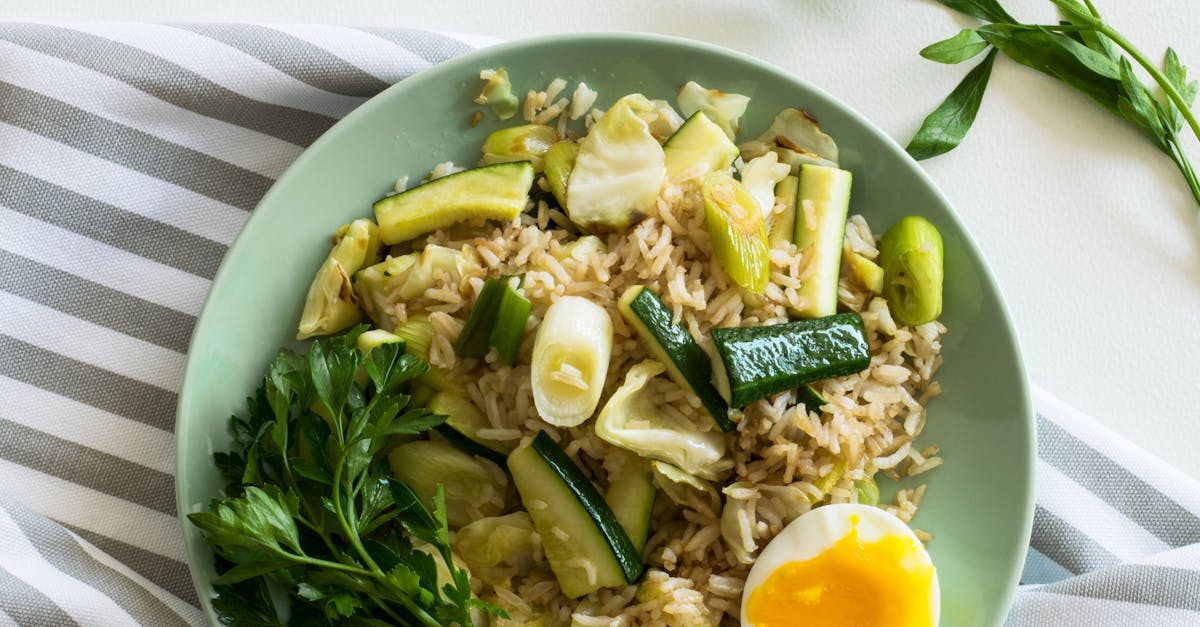
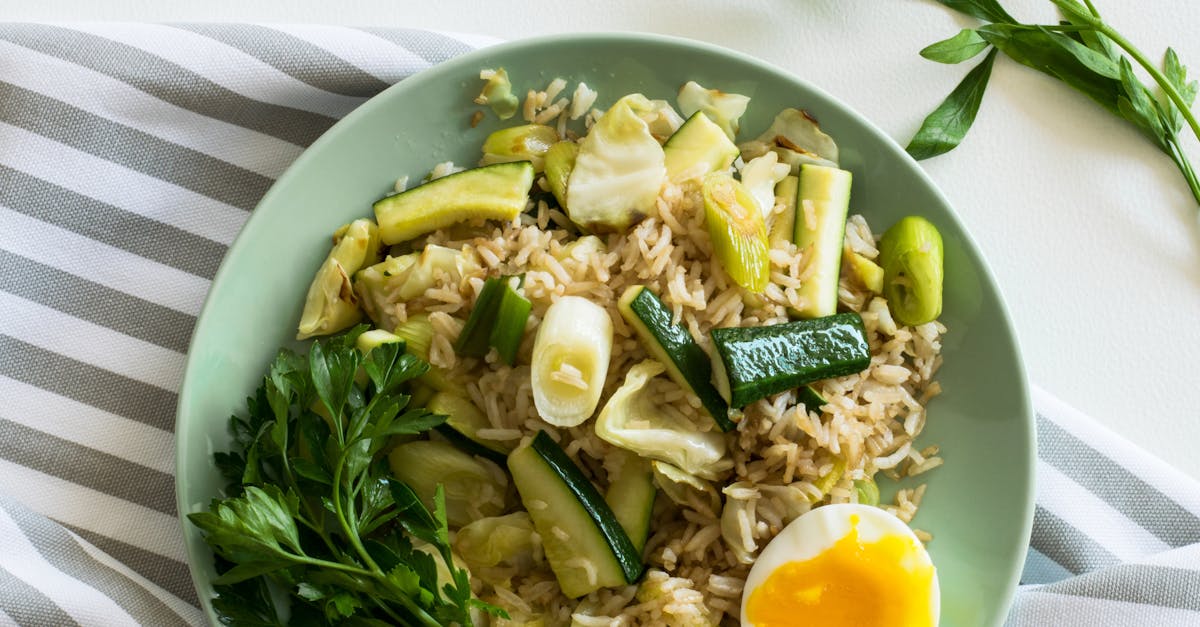
| Dinner | Brown rice, Fresh fish, Zucchini | Grilled fish with brown rice and steamed zucchini | Choose low-histamine fish varieties. |
| Snacks | Carrots, Celery, Hummus (homemade) | Vegetable sticks with hummus | Make hummus at home to control ingredients. |
Conclusion
Implementing a Low Histamine Diet can significantly enhance the quality of life for those suffering from histamine intolerance. By focusing on fresh foods and non-processed options, individuals can ensure they receive adequate nutrients while minimising histamine levels in their meals. Guidance from experts like dietitian Amanda Igel can be invaluable in navigating this dietary approach. Keeping a daily food diary can help track reactions to various foods and identify potential triggers. Understanding the role of precursor amino acids in histamine production also aids in making informed choices. Ultimately, embracing a diverse range of low histamine foods while being mindful of how foods age will contribute to overall well-being.
FAQS
What should I know about following a low-histamine diet and where can I find histamine food lists?
When considering a low-histamine diet, it's essential to consult a registered dietician who can provide guidance tailored to your needs. Low-histamine diets often focus on avoiding high histamine ingredients and incorporating non-processed foods. Additionally, histamine food lists are useful tools to help you identify histamine-releasing foods and items that can lead to histamine toxicity. This approach is vital for managing symptoms related to histamine intolerance and ensuring your diet supports low histamine concentrations effectively.
What are the key considerations when starting low-histamine diets for managing histamine intolerance?
When starting low-histamine diets for managing histamine intolerance, it's essential to understand the relationship between food and histamine levels. A histamine intolerance diet typically involves identifying and avoiding foods that are high in histamine or trigger histamine release. Personalised nutrition and nutritional counseling can help tailor the diet to individual needs, considering symptoms that can arise from histamine sensitivity or histamine toxicity. Additionally, understanding how food storage impacts histamine breakdown is crucial, as improper storage can increase histamine levels in food.
How does a histamine-free diet help manage the symptoms of histamine intolerance, and what role does food storage play in histamine levels?
A histamine-free diet can significantly alleviate symptoms of histamine intolerance by minimising exposure to foods that increase histamine levels. The condition histamine intolerance can be aggravated by histamine-releasing foods and inadequate storage practices, which can impact histamine breakdown. For individuals following this diet, understanding how food storage affects histamine levels is crucial, as certain foods can develop higher levels of histamine if not stored correctly.
How do histamine levels in foods relate to the symptoms of histamine intolerance and what dietary changes can help lower histamine exposure?
Understanding how different foods impact histamine levels is crucial for managing histamine intolerance. Certain foods are known to trigger histamine release, and maintaining a low histamine diet can alleviate symptoms. It's important to incorporate low-histamine foods into your diet while also considering how food storage can affect histamine breakdown. Additionally, some people may notice that their diet varies in its ability to manage symptoms, and this variation can be linked to the tyramine levels of the foods they consume. To effectively reduce exposure to histamine, one should be mindful of both the types of foods they eat and their storage practices, as improper storage can increase histamine altogether—exposure to potentially problematic foods.
How does the storage of food impact histamine levels and what diets can a person follow to manage histamine intolerance?
The storage impact histamine levels significantly, as improper food storage can lead to histamine release and increased histamine levels in foods. To combat histamine intolerance, it's essential to follow a diet that is low in histamine, which may include fresh or properly stored foods. A diet isn particularly effective for individuals experiencing symptoms of histamine intolerance, helping to reduce the symptoms. Moreover, understanding the role of histamine breakdown, such as the function of histamine- n-methyltransferase, is crucial for managing histamine toxicity.
How can a person identify foods that could increase histamine levels in their diet to help manage symptoms of histamine intolerance?
To effectively manage symptoms of histamine intolerance, it's essential to understand which foods may contribute to histamine increases. Foods low in histamine are typically recommended, as they help prevent histamine toxicity. Additionally, some individuals find that certain diet associations, such as nutritional diets, significantly aid in alleviating symptoms. Keeping track of what the person eats can assist in identifying histamine-releasing foods and promoting better histamine breakdown. Personalized approaches may include entering specific dietary habits that have been shown to reduce symptoms related to histamine intolerance.
What are the implications of histamine toxicity in relation to a low-histamine diet and how can it affect the symptoms of histamine intolerance?
Histamine toxicity occurs when there is an excess of histamine in the body, which can lead to a variety of symptoms. Following a low-histamine diet can help manage these symptoms, as it reduces the intake of foods that increase histamine levels. Additionally, understanding histamine breakdown and which foods are low in histamine can provide essential insights into better managing histamine intolerance. It’s important for those with histamine intolerance to be aware of histamine-releasing foods and to make dietary choices that support their nutritional needs while keeping histamine levels in check.
How can a low-histamine diet affect symptoms of histamine intolerance, particularly in relation to histamine breakdown and food choices?
A low-histamine diet can significantly alleviate symptoms of histamine intolerance by reducing the intake of foods that are known to increase histamine levels. Foods low in histamine help in managing symptoms. Understanding histamine breakdown is crucial as some individuals may have impaired histamine metabolism, leading to histamine toxicity. By choosing appropriate foods and avoiding histamine releasing foods, those with histamine intolerance can better control their symptoms and enhance their quality of life.
What are the symptoms of histamine intolerance, and how can a low-histamine diet help alleviate these symptoms considering histamine breakdown and dietary choices?
Symptoms of histamine intolerance can include headaches, skin issues, digestive problems, and respiratory difficulties. A low-histamine diet can help manage these symptoms by avoiding foods that increase histamine levels and supporting histamine breakdown. It is important to choose low-histamine foods and monitor individual responses, as histamine intolerance can vary from person to person. Focusing on a nutritionally balanced diet with low-histamine options can significantly improve symptoms of histamine intolerance.
How can managing histamine levels in a diet help alleviate symptoms of histamine intolerance and address histamine toxicity issues?
Managing histamine levels in a diet is crucial for individuals experiencing histamine intolerance. A low histamine diet, which includes food low in histamine, helps reduce the overall intake of histamine, thus alleviating symptoms such as migraines, gastrointestinal issues, and skin reactions. It's important to be aware that histamine toxicity can occur when the body is overwhelmed by high levels of histamine, and adopting strategies to manage histamine levels effectively can prevent increases in histamine levels and support better overall health. Understanding histamine breakdown is essential when making dietary choices to ensure that foods consumed do not exacerbate histamine intolerance symptoms and aid in long-term management.





















Also on this site: notes index.